
Questions & answers
Frequently asked questions
Everything people ask us most about heat pumps, air conditioning and floor heating — in one place.
Heat pumps
What is a heat pump and how does it work?
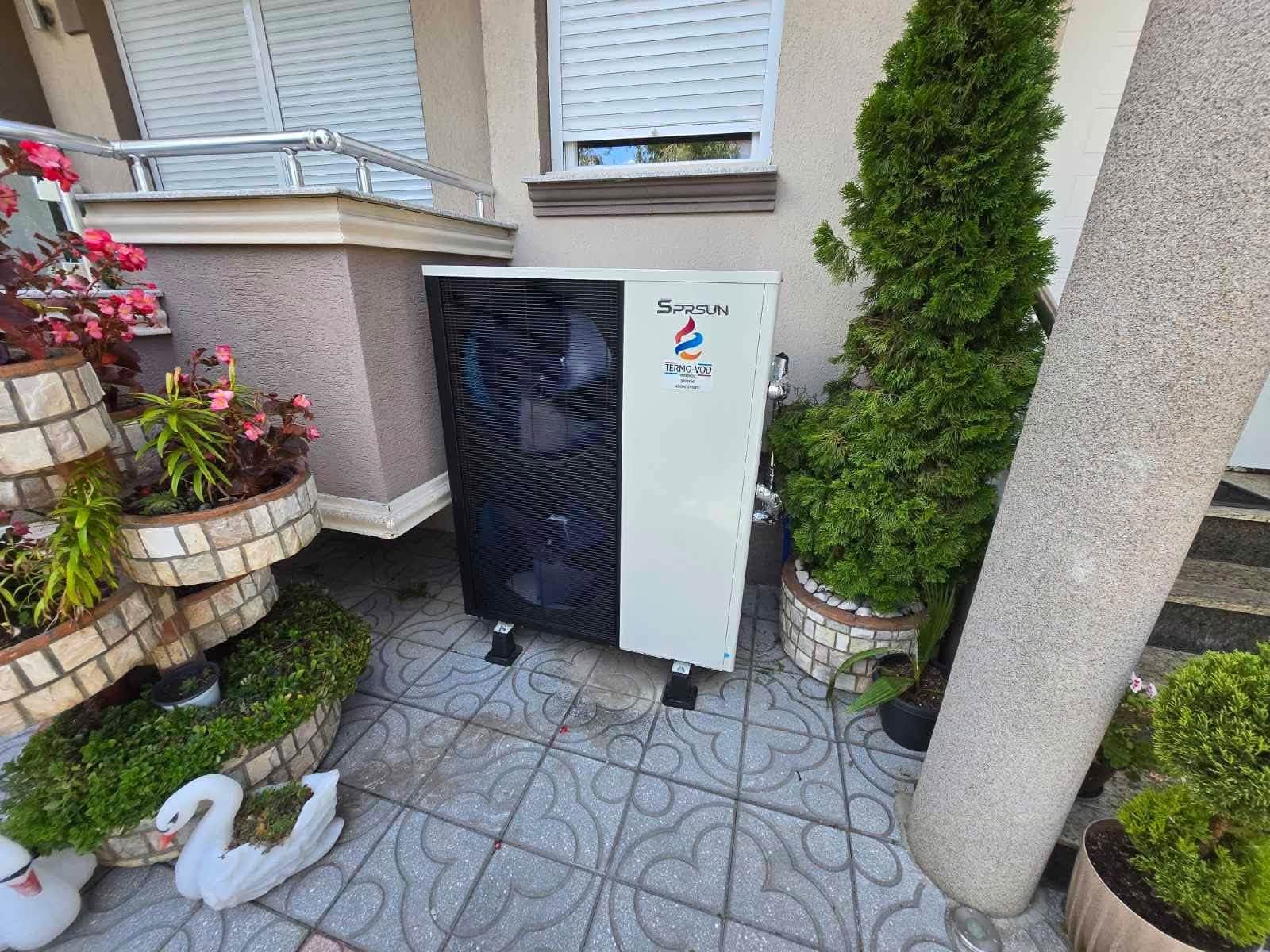
A heat pump takes heat from the outside air — even when it's cold — and moves it into your home through water, to floor heating, fan coils or radiators. Instead of making heat by burning fuel, it moves heat, so a little electricity delivers a lot of warmth.
Do I need a heat pump?
If you want one system for heating, cooling and hot water, if your bills for electricity, wood or oil are high, or if you're building or renovating — a heat pump is a good choice. You get the most from it in an insulated building with floor heating or fan coils.
Who is a heat pump for?
Houses, apartments with their own heating system, holiday homes and businesses. It suits new builds and renovations especially well, homes with floor heating, and anyone who wants to stop using wood, pellets or oil — no chimney, no fuel storage, no cleaning.
What are the benefits of a heat pump?
Lower heating costs, because each kWh of electricity gives around 3–4 kWh of heat (depending on outdoor temperature and the system). No burning, smoke, chimney or fuel to store. One unit heats, cools and makes hot water. It runs automatically, can be controlled from your phone, and needs little maintenance.
Does a heat pump work when it's below freezing?
Yes. Modern air-to-water heat pumps work at around −20 °C and below, depending on the model. Efficiency drops in hard frost, so we size the heat pump for the winters where you live, to keep you warm on the coldest days.
Can a heat pump also cool?
Yes, most air-to-water heat pumps have a cooling mode. Cooling works best through fan coils; with floor heating it's gentler and mainly takes the edge off the heat.
Can a heat pump work with my existing radiators?
It can, but radiators need hotter water, so the heat pump works less efficiently. We check whether your radiators are big enough before quoting. It works best with floor heating or fan coils, which heat with cooler water.
How much electricity does a heat pump use?
It depends on the size of the building, insulation, the temperature you like and the winter. Because it delivers more heat than the electricity it uses, the bill is usually much lower than with electric heating or AC running flat out. After a site visit we can estimate it for your building.
How long does a heat pump last, and does it need servicing?
With regular maintenance a heat pump lasts many years. We recommend a yearly service — checking pressure, filters, connections and settings — to keep it running efficiently and quietly.
Air conditioning
What does inverter air conditioning mean?
An inverter air conditioner changes its compressor speed instead of constantly switching on and off. It uses less electricity, runs quieter and keeps the temperature steady without sudden swings.
What is a multi-split system?
A multi-split is a system where one outdoor unit runs two or more indoor units. Each room has its own temperature, and there's only one outdoor unit on the wall.
Can an air conditioner heat in winter?
Yes. An inverter AC is actually an air-to-air heat pump and heats efficiently, especially in milder winters. For heating a whole house through cold winters, an air-to-water heat pump is the better choice.
How often does an air conditioner need servicing?
Filters are best cleaned every few weeks during the season. We recommend a professional service — cleaning, disinfection and a refrigerant check — once a year.
Floor heating
What are the benefits of floor heating?
Heat comes evenly from the whole floor, with no radiators on the walls. Less dust gets moved around, and it runs on low water temperatures, which makes it the ideal partner for a heat pump.
Can floor heating go into an apartment or existing house?
Yes, most easily during a renovation, because the floor is built up with insulation, pipes and screed. Before we start, we check the floor height and what's possible in your space.
Why does floor heating suit a heat pump?
Floor heating uses water at around 30–40 °C, instead of the 55–70 °C radiators need. The lower the water temperature, the more efficiently a heat pump runs.
General
Where are you based?
Our showroom is at Voden 4a in Bitola. Call +389 70 595 752 and ask about your location.
How do I get a quote?
Call or email us. Tell us what kind of building it is, the rough floor area and what you want — we'll arrange a visit and send a quote.
Can I see the units before I buy?
Yes. Our Bitola showroom has heat pumps, air conditioners, tanks and floor-heating parts on display. Come and see them in person.